


Music Therapy is the application of music for rehabilitation of brain function and development and maintenance of mental and physical health. The qualified music therapist creates therapeutic music exercises to facilitate functional non-musical outcomes, training and retraining abilities in cognition, speech and language, motor control, academic performance, emotional growth, and social skills. There is strong scientific evidence that music is a powerful tool in therapy, engaging and changing the brain, and promoting behavioral learning and change.
Colorado State University has a long tradition in clinical education, research, and scholarship in music therapy. With an outstanding music program and an academic focus on evidence-based practice, graduates from Colorado State University learn necessary tools to be an integral member of a treatment team or pursue a career in private practice. Students also have the opportunity to gain experience on a biomedical or clinical research team.
In addition to the clinical core, music therapy majors take a wide variety of courses in music theory, music history, music performance, and coursework emphasizing the research aspects of music therapy. In addition, the program requires courses in psychology, neuroscience, and medical terminology. A total of 120 credits are required for the degree. Successful completion of all curricular requirements, plus a six month clinical internship, qualifies a graduate to sit for the National Board Certification Examination.
All degree programs are approved by the American Music Therapy Association.
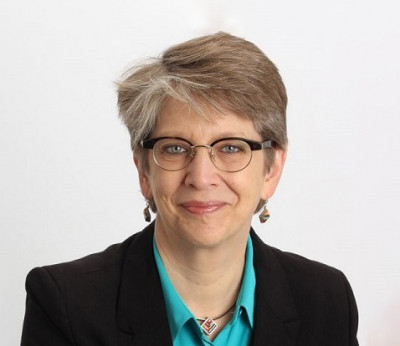
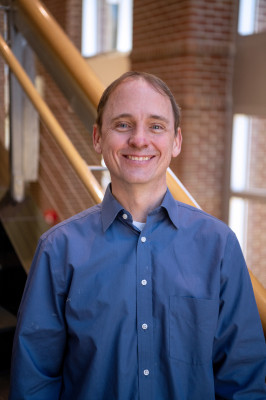
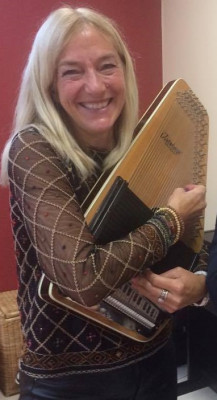
Study With
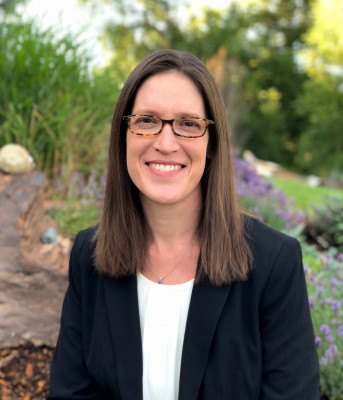
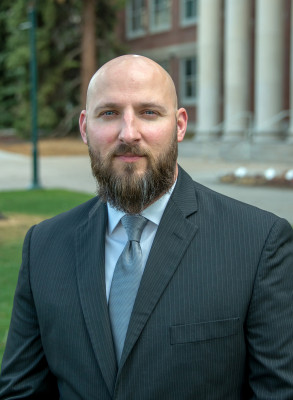
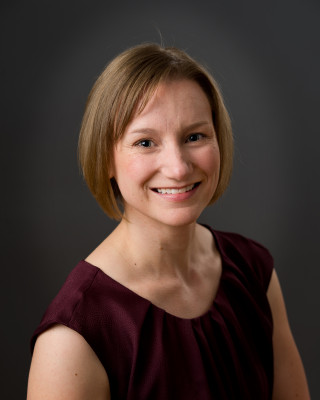
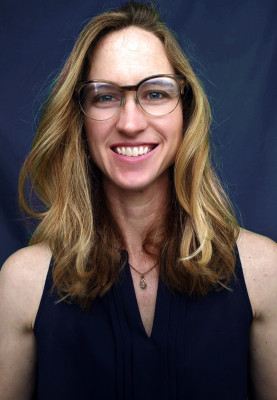

Music Therapy News

Dr. Jess Rushing receives National Institutes of Aging and of Health research grant
Dr. Jess Rushing is a Fellow of the National Institute of Infant and Child Medical Music Therapy and is currently the chair of the American Congress of Rehabilitation Medicine (ACRM) Arts and Neuroscience Networking Group. She has worked clinically with all ages, from premature infants to end-of-life, with considerable experience in medical, private practice, and […]
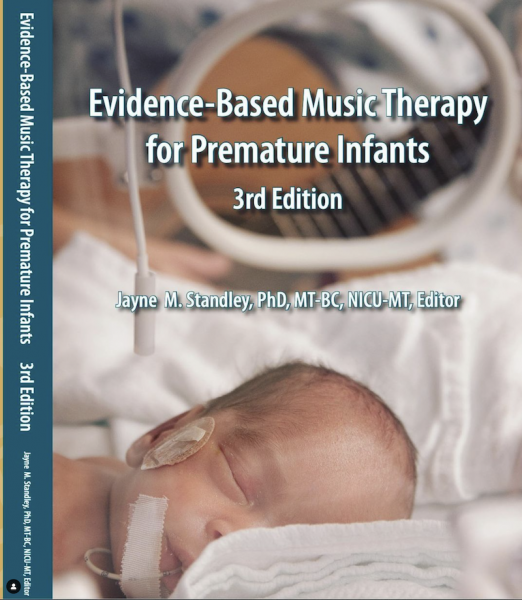
Dr. Jess Rushing collaborates on publication about music therapy for premature infants
Dr. Jess Rushing is a Fellow of the National Institute of Infant and Child Medical Music Therapy and is currently the chair of the American Congress of Rehabilitation Medicine (ACRM) Arts and Neuroscience Networking Group. She has worked clinically with all ages, from premature infants to end-of-life, with considerable experience in medical, private practice, and […]
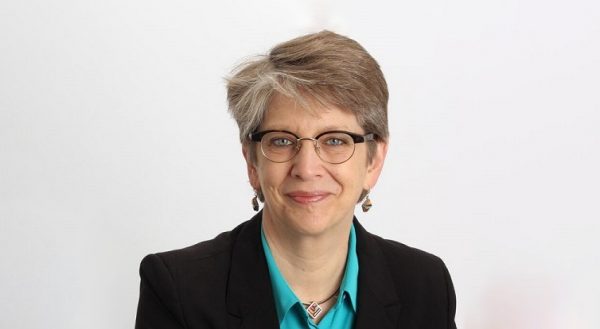
Release of Dr. Laura Beer’s new music therapy book
2023 saw the release of Trauma-Informed Music Therapy Theory and Practice, a new book edited by Dr. Laura E. Beer, Colorado State University, and Jacqueline C. Birnbaum, New York University. Trauma-Informed Music Therapy is a timely volume that combines theoretical perspectives on trauma-informed practice with real-life applications in music therapy practice. This book will be […]
Music Therapy Clinic
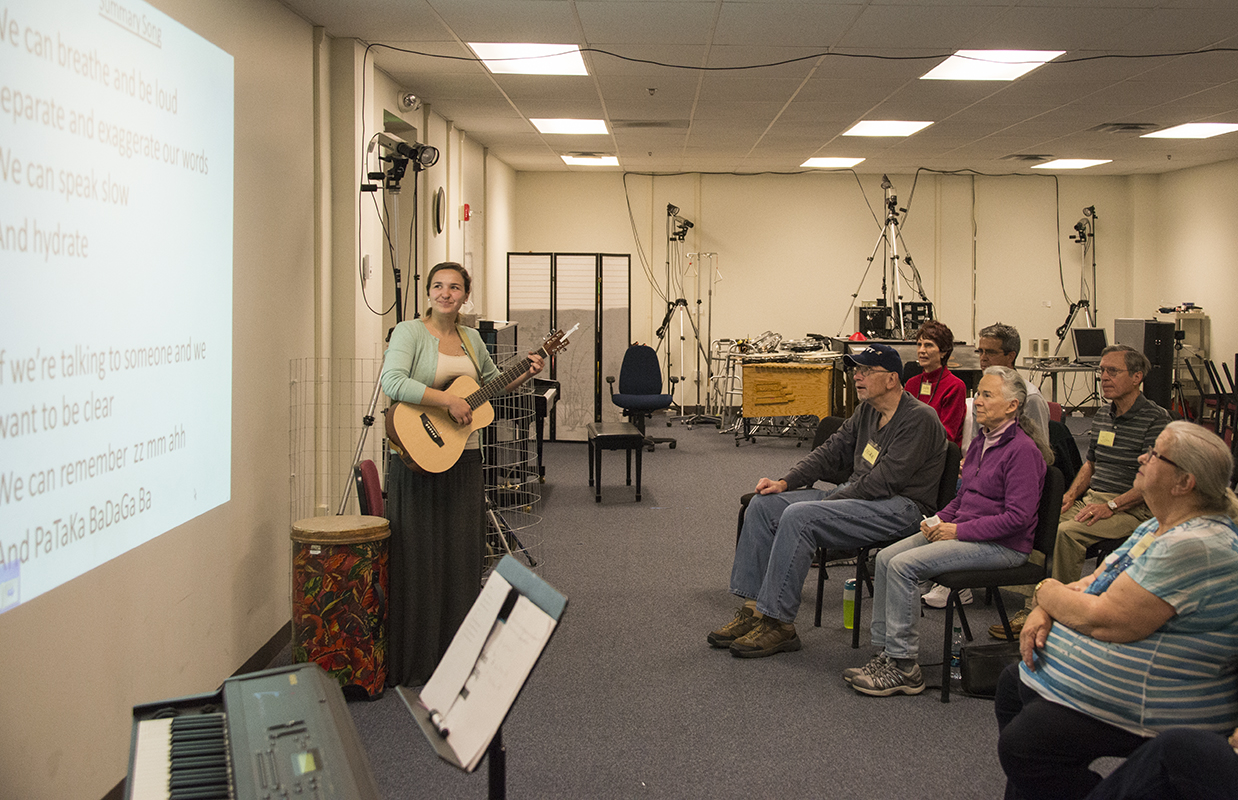
At Colorado State University we are dedicated to providing quality music therapy services and conducting clinical music therapy research. The CSU music therapy clinic serves as a training site for music therapy students. All students work with a board-certified music therapist who assists the student with completing an assessment, treatment plan, and weekly documentation. The board-certified music therapist also provides weekly supervision of clinical sessions, providing feedback and showing examples for the use of music therapy methods and techniques.
The music therapy program provides community services in the music therapy clinic located in the University Center for the Arts (1400 Remington Street, Fort Collins). We also provide services at facilities in the Fort Collins area including assisted living centers and schools. At the CSU music therapy clinic we have two research/clinical spaces that are appropriate for large group, small groups, and individual treatment sessions. We strive to provide this professional service in a supportive environment.
The CSU music therapy clinic offers music therapy services to a variety of populations for a range of needs. The student music therapist can use music to address motor, cognitive, social, emotional, or speech/language needs. In collaboration with a board-certified music therapist, the student music therapist:
- Conducts a music therapy assessment
- Formulates an individualized treatment plan
- Leads individual, small group, or large group sessions
- Collaborates with schools, staff, support team members, or allied health professionals (as appropriate)
- Completes a final progress note after the 12-week treatment period
Persons interested in music therapy services need no musical experience. Our clinics are equipped with all necessary musical instruments and technology. For more general information about the benefits of music therapy please visit www.musictherapy.org.
Weekly Rehabilitation Groups
Since 1996, CSU has offered music therapy-based neurorehabilitation groups for members of the local community with mobility/motor needs. The weekly therapy groups typically consist of eight to fifteen participants who have experienced a stroke, brain injury, MS, or other neurological diseases such as Parkinson’s disease. A board-certified music therapist and physical therapist conduct the hour-long sessions with assistance from music therapy and pre-physical therapy students. Sessions involve motor or speech exercises facilitated by music.
Weekly Rehabilitation Groups
Since 1996, CSU has offered music therapy-based neurorehabilitation groups for members of the local community with mobility/motor needs. The weekly therapy groups typically consist of eight to fifteen participants who have experienced a stroke, brain injury, MS, or other neurological diseases such as Parkinson’s disease. A board-certified music therapist and physical therapist conduct the hour-long sessions with assistance from music therapy and pre-physical therapy students. Sessions involve motor or speech exercises facilitated by music. Please contact the clinical coordinator, Kyle Wilhelm, for more information about our outreach groups. Kyle.Wilhelm@colostate.edu
Parkinson’s Outreach Singing Group (not exclusive)
- Tuesdays, 2-3 p.m.
- Rm. 145, Large Clinic, University Center for the Arts
- Facilitated by Music Therapy faculty
- NOTE: This group is taking a break during the Spring 2024 semester.
Neurologic Movement Disorder Exercise Group
- Mondays, 9-10 a.m., and Tuesdays, 3:15-4:15 p.m.
- Rm. 145, Large Clinic, University Center for the Arts
- Facilitated by Music Therapy, Co-Treat with Physical Therapy
Moving Through Parkinson's Dance Group (not exclusive)
- Mondays, 11 a.m. – 12:15 p.m.
- Center for Healthy Aging
- Music Therapy and Dance faculty facilitated
Contact
Music Therapy Research Center
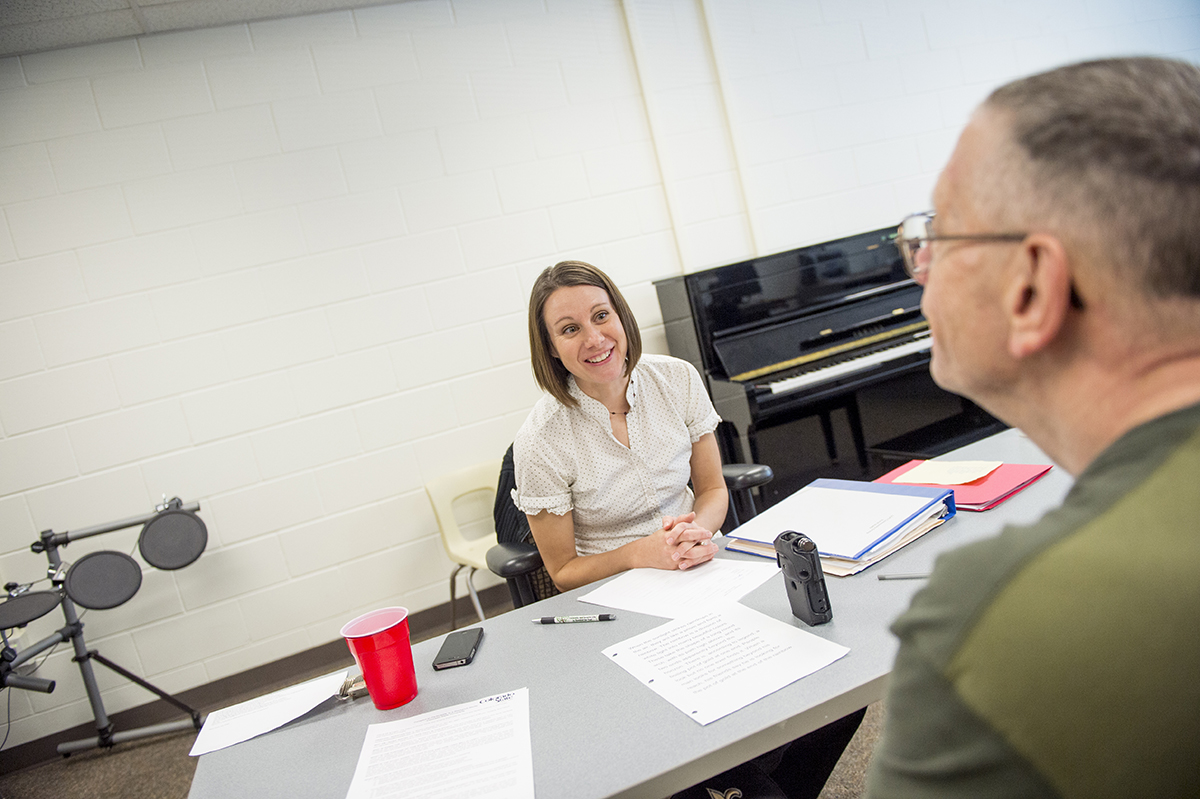
The goal of the CSU Music Therapy Research Center (MTRC) in the School of Music, Theatre and Dance is to create new knowledge in music neuroscience and clinical music therapy. The MTRC is a teaching research center, providing undergraduate and graduate students with the opportunity to work collaboratively with faculty members on research projects. The MTRC is equipped to conduct research using behavioral and physiological measures including motor kinematics and electromyography (EMG).
Faculty members at Colorado State University are actively engaged in laboratory and clinical research project. The faculty, along with undergraduate and graduate research students, are conducting research on:
- Early childhood
- Persons on the autism spectrum
- Motor and speech rehabilitation
Faculty members in the MTRC are also engaged in interdisciplinary research, conducting studies with faculty and students in Human Development and Family Studies, Occupational Therapy, and Music Education.
Contact
Volunteer for Music Therapy Research
We are recruiting participants for the following research studies:
- Investigating Music Therapy for Children with Autism (download a flyer)
Drumming-based Music Therapy Group
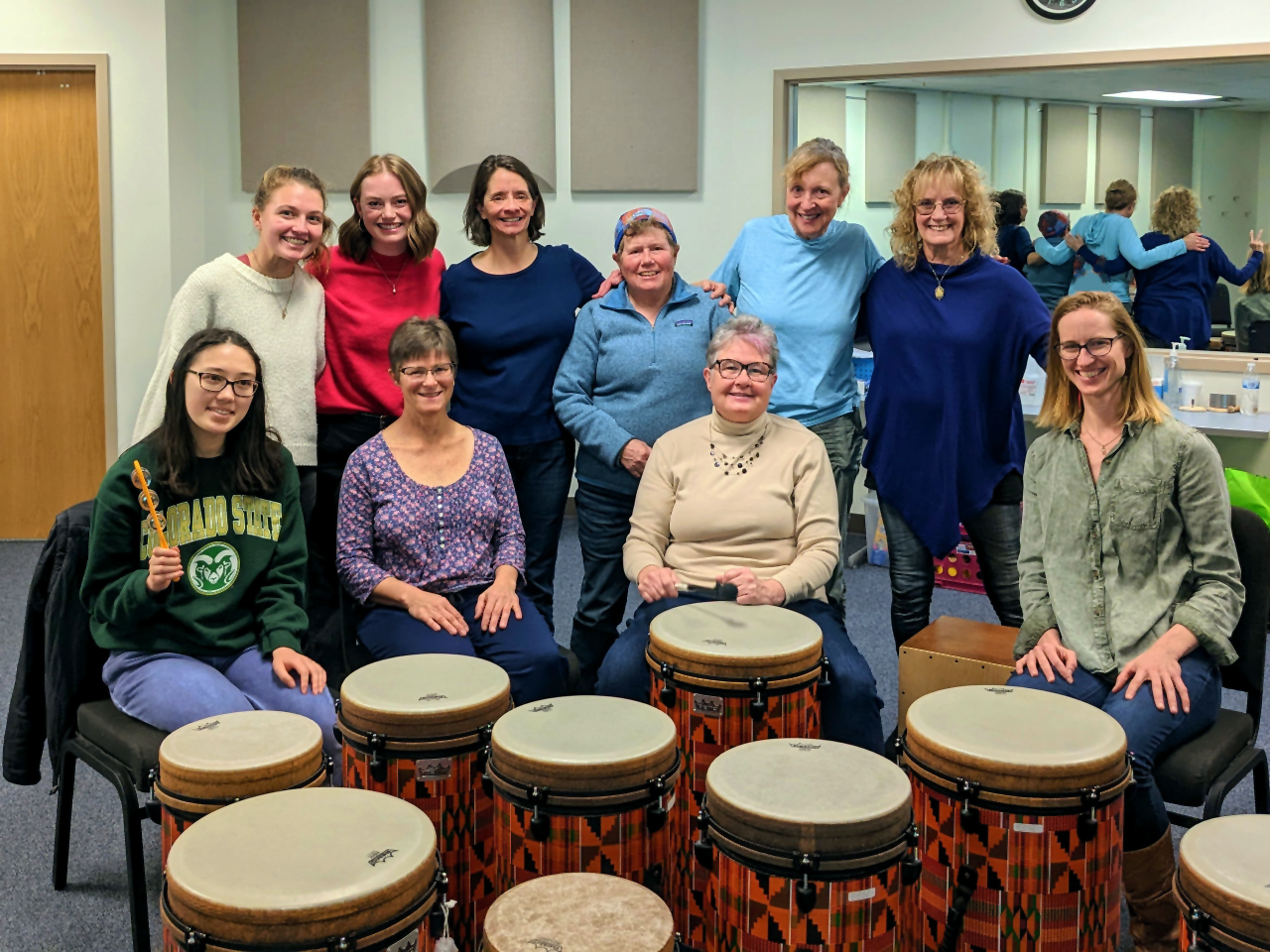
UpBeats is a drumming-based music therapy group that strives to provide a fun, safe, and creative space for female-identifying persons with mental health challenges such as PTSD, trauma, anxiety, and depression OR who want to participate in music as a health resource. You don't need any prior musical experience. The group will draw on research-based ways to engage with music and each other. More in-depth information is available upon request, and we welcome any questions.
The group occurs every Thursday during the academic semester in Room 146A in the University Center of the Arts at CSU (1400 Remington Street).
Find more at the Registration Link
.